
Compare the Emmet County Property Value Labels
The labels on an Emmet County record card sound alike but answer different questions. Assessed value, SEV, and taxable value each carry their own meaning. Before matching any figure against a sale, read the field name, the tax year, the local unit, and the update date.
| Value | What It Is | Where |
|---|---|---|
| Assessed value | The local assessor's estimate of one-half of fair-market value under Michigan rules | Assessment record |
| State Equalized Value | The county-equalized value after State Tax Commission review | Assessment record and equalization reports |
| Taxable value | The lower of SEV or capped value, subject to transfer and statutory rules | Tax and assessment record |
| Last sale or consideration | A stated transfer amount, not the assessor's valuation method | Deed, transfer material, or sale field |
Property tax comes from multiplying taxable value by the millage that applies. The tax bill itself is a separate matter. The county also cautions buyers: the next SEV after a sale is not simply half the sale price.
Read the Emmet County Assessment Interface
The county posts a BS&A assessing search that accepts an address, a name, or a parcel number. Work from that county-linked local record rather than a copy saved elsewhere. Verify the local assessing unit, and write the year beside each value you pull.
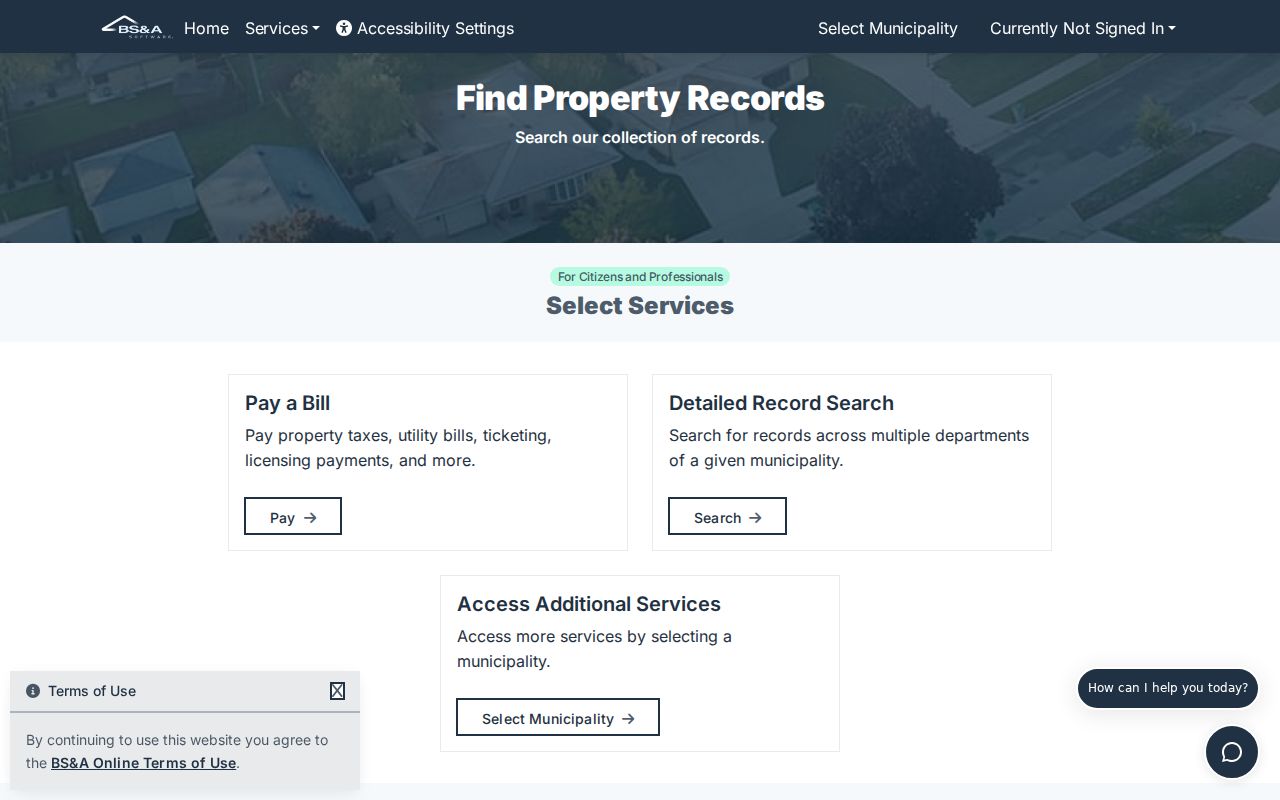
That search screen is only the doorway. The detailed property record behind it holds the substance. Look there for assessed value, SEV, taxable value, classification, and sales sections, but only where the live result actually displays them.
Note: Portal layouts and field labels change, so quote the live field name and access date instead of an older screenshot.
Understand Emmet County Transfer Uncapping
Michigan generally uncaps taxable value in the calendar year after a transfer, with statutory exceptions. The following year's SEV can then set the taxable value reference. This timing matters. A deed date, a card year, and a value jump can belong together on the same page of notes.
Capped value may rise by 5 percent or the consumer-price-index change, whichever is less. Statutory additions and losses also apply. A transfer, an addition, a loss, a PRE change, or a reclassification can each move the record differently. A single year-over-year jump never explains itself.
Estimate an Emmet County Property Value from Records
A sound public-record estimate compares like with like. Start by matching the parcel. Then copy each labeled figure with its year intact. Never average tax values and sale prices into a number no source actually published.
- Search the exact address or parcel number in the county-linked record card.
- Verify the local unit and preserve assessed value, SEV, taxable value, and tax year as separate fields.
- Check the latest recorded transfer for its date and any stated consideration.
- Explain any mismatch through dates, transfer rules, classification, or source updates before drawing a conclusion.
- Assessed value
- The assessor's estimate of half of fair-market value.
- Market value
- An estimate of what property may bring in an open market, which is not a guaranteed price.
- Assessment ratio
- The relationship between assessed and full value under the jurisdiction's assessment framework.
- Sale consideration
- The amount stated with a transfer, subject to the meaning and limits of that record.
- Reassessment
- A new valuation for an assessment year, distinct from a deed transfer.
Check Emmet County Value History by Tax Year
The public GIS layers publish prior and current value, tax, zoning, acreage, parcel ID, owner, and update fields. Prior and current sit side by side. Use those fields to spot a change. Then confirm it in the assessment record itself. GIS warnings note that published data can run incomplete or stale.
Emmet County's Equalization page lists reports from 2008 through 2026. It also posts current Board of Review material. Those living reports beat any undated summary. Tax day falls on December 31. Keep the assessment year and the property's condition date distinct from the day a portal was opened.
Separate Emmet County Classification from Value
Principal Residence Exemption status can change tax treatment. So can qualified agricultural treatment and disabled-veteran relief. None of these proves title or market worth. Emmet County publishes forms for PRE claims and rescissions. It also posts qualified agricultural filings, property transfers, and veteran exemptions. A classification flag supplies context, not a price.
The Property Transfer Affidavit offers another clue. It reports a transfer to the local assessor, yet it is not the recorded deed. Compare its date with the deed date. Then check the next assessment year whenever a taxable value moved.
Note: PRE is a tax status. It never proves that the named person owns or occupies the parcel.
Resolve Emmet County Value Discrepancies
When BS&A, GIS, a deed, and an older report disagree, write down each source's field label, date, and purpose side by side. Then take the question to the local assessor or Emmet County Equalization, where appraisal records can be inspected during normal business hours.
Assessment challenges and tax bills belong on the Emmet County property tax records page. This comparison stops at what the numbers mean and where they are recorded.
Inspect Emmet County Property Values Offline
Appraisal records are public and open to inspection during normal business hours. Equalization/GIS supports property descriptions and valuation work for 18 local units. The city or township assessor handles the local assessment. The same office runs the Board of Review process.
Bring the full parcel number, address, local unit, and tax year. Ask to see the existing appraisal record rather than a freshly built market analysis. A narrow FOIA request naming the parcel, record set, department, and date range works. Turn to it when routine access falls short.
Know What Emmet County Property Value Cannot Prove
An assessment is an official tax-system value. It does not predict a final sale, fix a boundary, or establish title. A recorded sale amount reflects one transaction and may hide its terms. A licensed appraisal serves a different valuation purpose. It forms its opinion after reviewing the property and the relevant market evidence.
Value versus price. Emmet County assessed value supports taxation and is not what a property is guaranteed to sell for. It is not a private appraisal.
A property value record has limits. It records what the assessor concluded for one tax year, nothing more. It cannot prove the condition of a building or guarantee today's market price. For purchase diligence, look past the assessment. Compare the current record and the most recent recorded transfer. Then weigh the physical state of the parcel, and use an appraisal fit for your purpose. Treat the assessed figure as a dated field, not a promise.
One compact format works best for a value summary. Put the exact field label and the amount on a single line. Add the tax year and the official source. If a sale price is part of the picture, add the transfer date. Keep it apart. That simple habit makes Emmet County property value records easy to compare. It does not hide why each number exists.